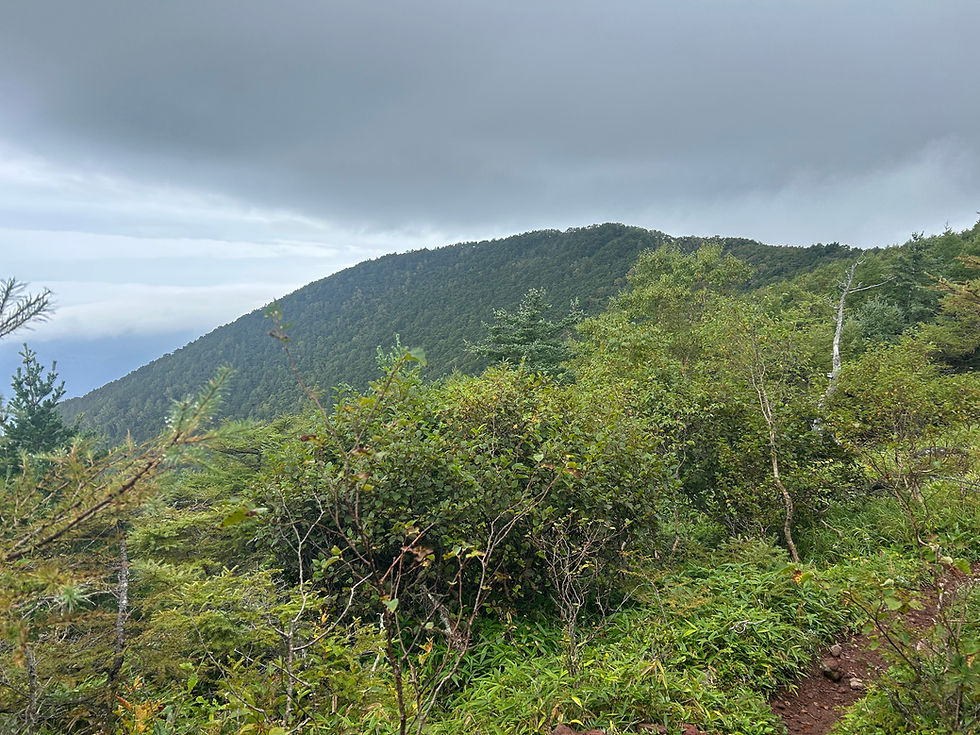
Exploring Japan's Mountains: A Photographer's Journey
- alastairbourne
- 1 day ago
- 4 min read
Japan is a land of stunning contrasts, where ancient traditions meet modern innovation. Among its many treasures, the mountains stand out as a breathtaking backdrop for photographers seeking to capture the essence of this beautiful country. From the iconic peaks of the Japanese Alps to the serene landscapes of rural Japan, the mountains offer endless opportunities for stunning photography. In this post, we will embark on a journey through Japan's majestic mountains, exploring the best locations, tips for capturing the perfect shot, and the unique experiences that await photographers in this enchanting land.

The Allure of Japan's Mountain Ranges
Japan is home to several major mountain ranges, each with its own unique character and charm. The most notable include:
The Japanese Alps: Divided into the Northern and Southern Alps, these mountains are famous for their rugged terrain, stunning vistas, and diverse ecosystems. They attract hikers, climbers, and photographers alike.
The Chugoku Mountains: Located in western Honshu, this range is known for its steep slopes and deep valleys, offering a more remote and tranquil experience.
The Kyushu Mountains: This range features volcanic peaks and lush greenery, providing a different landscape for photographers to explore.
Each of these mountain ranges offers distinct opportunities for capturing breathtaking images, whether it be the dramatic peaks, serene valleys, or vibrant flora and fauna.
Best Locations for Photography
When it comes to photographing Japan's mountains, certain locations stand out for their beauty and accessibility. Here are some must-visit spots:
1. Mount Fuji
No exploration of Japan's mountains would be complete without mentioning Mount Fuji. This iconic peak is not only Japan's highest mountain but also a symbol of the nation itself. Photographers flock to locations such as:
Lake Kawaguchi: Offers stunning reflections of Mount Fuji, especially during sunrise and sunset.
Chureito Pagoda: A picturesque spot that frames Mount Fuji with cherry blossoms in spring and vibrant foliage in autumn.
2. Kamikochi
Nestled in the Northern Alps, Kamikochi is a paradise for nature lovers and photographers. The area is known for its crystal-clear rivers, lush forests, and towering peaks. Key highlights include:
Kappa Bridge: An iconic wooden bridge that provides a perfect vantage point for capturing the surrounding mountains.
Taisho Pond: A serene spot that reflects the mountains, especially during the early morning hours.
3. Tateyama Kurobe Alpine Route
This spectacular route offers breathtaking views of the Northern Alps and is famous for its snow corridor, which can reach heights of up to 20 meters in spring. Photographers can capture:
Snow Walls: Dramatic walls of snow lining the path create a unique and striking visual.
Kurobe Dam: The largest dam in Japan, surrounded by stunning mountain scenery.
4. Nara Prefecture
For a more tranquil experience, the mountains of Nara Prefecture offer beautiful landscapes and historical sites. Key locations include:
Mount Yoshino: Famous for its cherry blossoms, this mountain provides stunning views and opportunities for capturing the beauty of nature.
Kasuga-taisha Shrine: Nestled in the forest, this shrine offers a unique blend of culture and nature.
Tips for Capturing Stunning Mountain Photography
Photographing mountains can be challenging, but with the right techniques, you can create stunning images that capture the essence of Japan's landscapes. Here are some tips to enhance your mountain photography:
1. Plan Your Shots
Timing is crucial when it comes to mountain photography. The best light often occurs during the golden hours—shortly after sunrise and before sunset. Research the locations you plan to visit and determine the best times for capturing the perfect shot.
2. Use a Tripod
Stability is key for capturing sharp images, especially in low light conditions. A tripod allows you to take longer exposures without the risk of camera shake, resulting in clearer images.
3. Experiment with Composition
Don't be afraid to get creative with your compositions. Use leading lines, foreground elements, and different angles to create depth and interest in your photos. Consider the rule of thirds to balance your images effectively.
4. Capture the Details
While sweeping landscapes are stunning, don't forget to capture the smaller details that tell a story about the environment. Close-ups of flowers, textures of rocks, or wildlife can add depth to your portfolio.
5. Embrace the Weather
Weather can dramatically change the mood of your photographs. Overcast days can create soft, diffused light, while stormy skies can add drama to your images. Be prepared for changing conditions and embrace the unique opportunities they present.
Unique Experiences in Japan's Mountains
Beyond photography, Japan's mountains offer a wealth of experiences that can enrich your journey. Here are some unique activities to consider:
1. Hiking and Trekking
Many of Japan's mountain ranges offer well-maintained trails for hikers of all levels. Whether you're looking for a leisurely stroll or a challenging trek, there's something for everyone. Popular trails include:
The Nakasendo Trail: A historic route that connects Kyoto and Tokyo, offering stunning mountain scenery and traditional post towns.
The Kumano Kodo: A UNESCO World Heritage site, this network of pilgrimage routes takes you through beautiful landscapes and sacred sites.
2. Onsen (Hot Springs)
After a long day of hiking or photography, relax in one of Japan's many onsen. Many mountain towns have natural hot springs that provide a perfect way to unwind and rejuvenate. Some popular onsen areas include:
Hakone: Known for its stunning views of Mount Fuji and numerous hot springs.
Kusatsu: Famous for its high-quality sulfuric waters and beautiful mountain scenery.
3. Cultural Experiences
Immerse yourself in local culture by visiting traditional villages and participating in local festivals. Many mountain regions host seasonal events that celebrate nature and community, providing a unique opportunity to capture both the landscape and the culture.
Conclusion
Japan's mountains are a treasure trove for photographers, offering breathtaking landscapes, unique experiences, and endless opportunities for creativity. Whether you're capturing the iconic silhouette of Mount Fuji, the serene beauty of Kamikochi, or the vibrant colors of Nara's cherry blossoms, each shot tells a story of this remarkable land.
As you embark on your photographic journey through Japan's mountains, remember to embrace the beauty of nature, experiment with your craft, and immerse yourself in the rich culture that surrounds you. With each click of the shutter, you are not just capturing an image; you are preserving a moment in time that reflects the spirit of Japan's majestic landscapes. So pack your camera, lace up your hiking boots, and get ready to explore the stunning mountains of Japan.


Comments